Tang Hall and Osbaldwick Becks Corridors
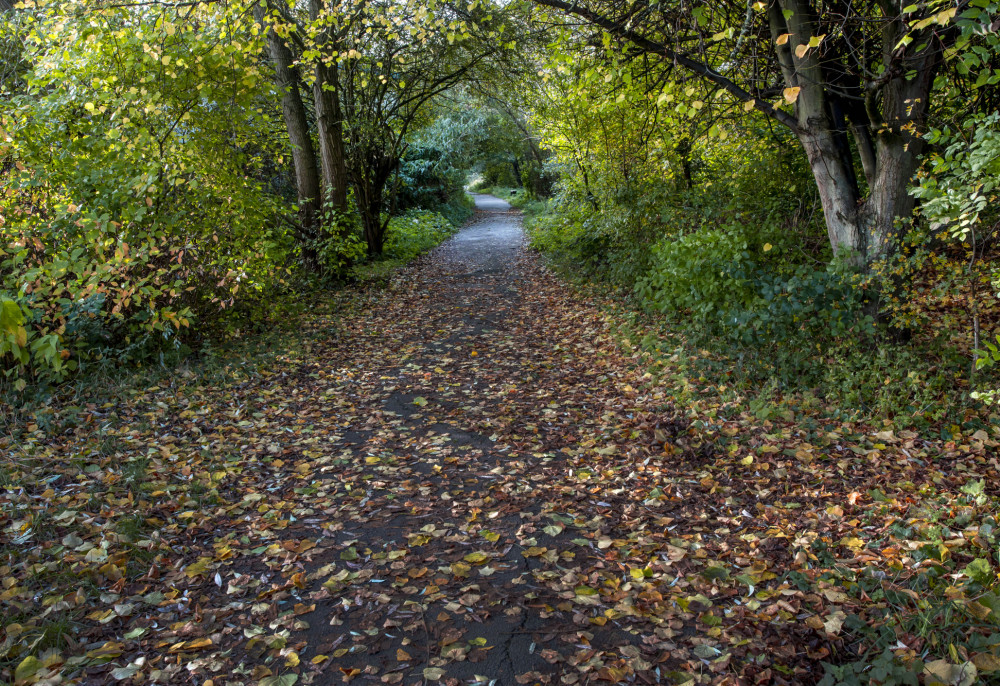
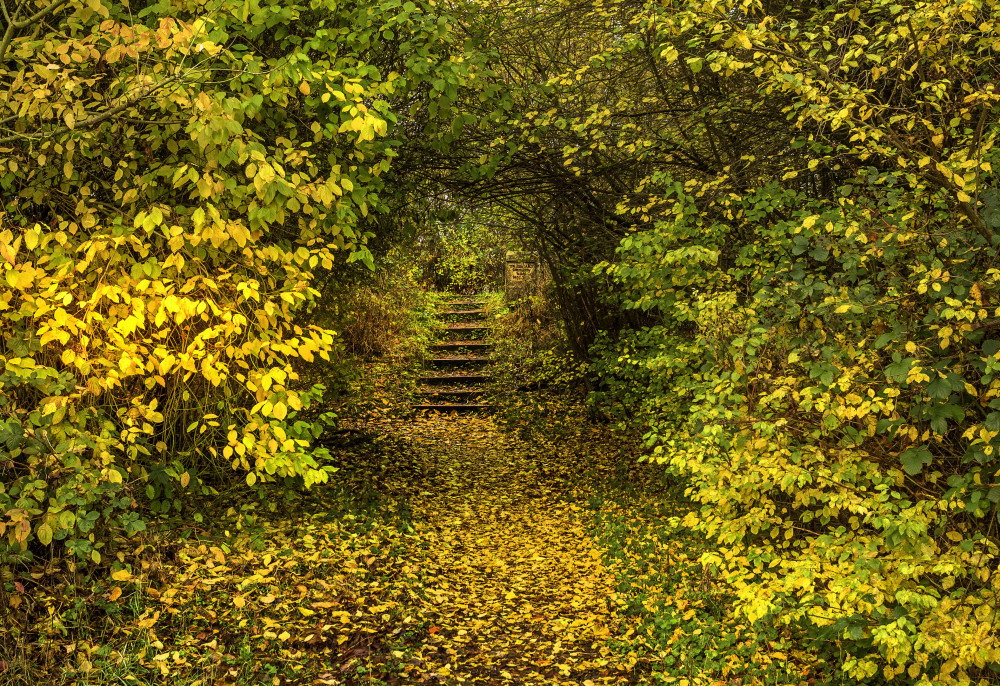
Tang Hall and Osbaldwick Becks Corridors include St Nicks Local Nature Reserve and Hull Road Park.
St Nicks Local Nature Reserve
Along the becks at St Nicks, we have planted wetland plants and wildflowers to improve the banks - particularly those we know water voles like to eat (there are historic records of water voles at St Nicks). These include meadowsweet, gypsywort, purple loosestrife, reed canary grass and pendulous sedge.
(Both Osbaldwick beck and Tang Hall beck flow through part of St Nicks. Osbaldwick beck merges into Tang Hall beck in a culvert underground and Tang Hall beck then flows into the River Foss - connecting the Becks Corridor to the Foss Corridor.)
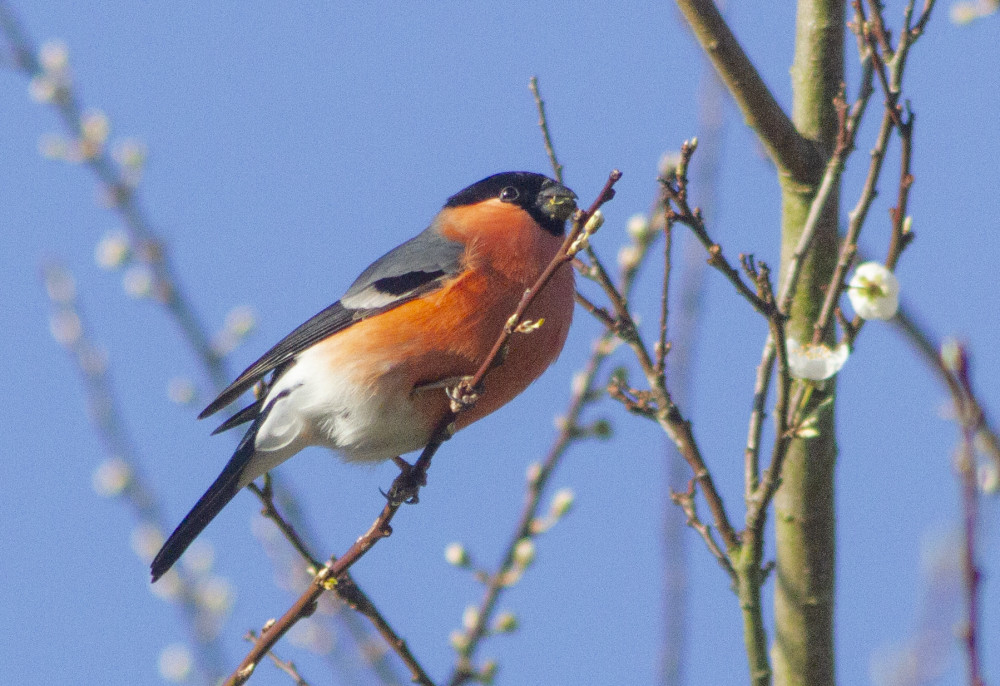
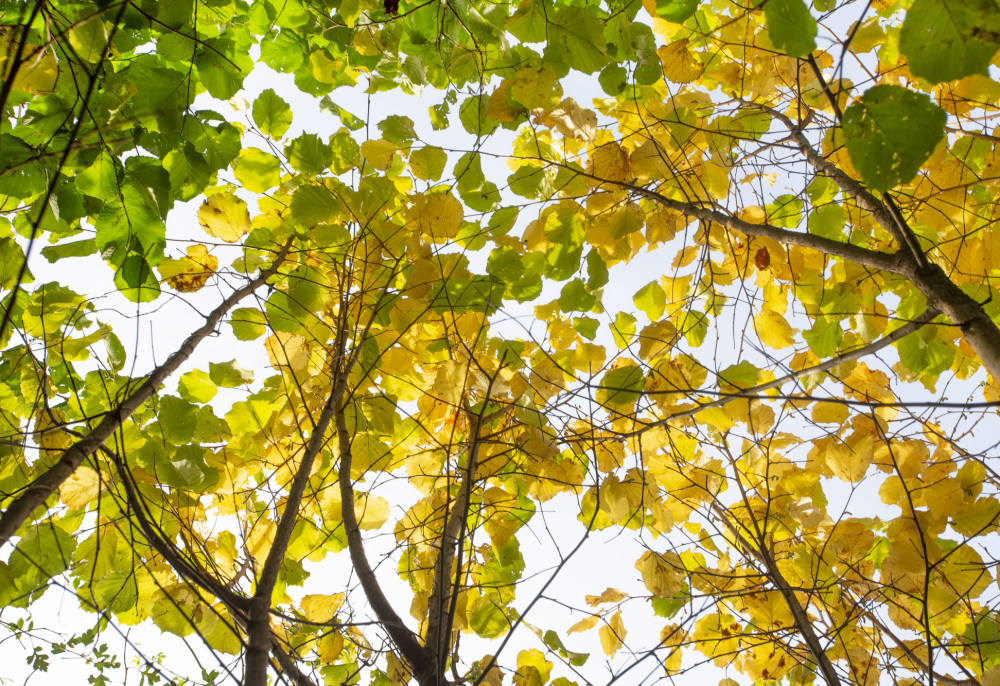
We manage the woodland habitat around the becks, coppicing and thinning where necessary and planting tree species that are happy with their feet wet. In the hope of encouraging willow tits to return, we're creating dense scrubby habitat (we also have historic records of willow tits on site from the late 90s). Trees here include willows, alders, downy birch, bird cherries and elders.
After many years, we've managed to get the Himalayan balsam under control on the stretch of Osbaldwick beck that runs through St Nicks, and the banks are scythed and cuttings raked off each year
We see kingfisher, little egret, foxes and (recently!) deer, as well as lots of signs of otters.
Hull Road Park
We've been restoring the beck habitat in Hull Road Park since the Environment Agency removed the weirs in 2020.
A new ‘natural bank’ - where soil was laid over the concreate and sown with wetland plants and wildflowers to stabilise it - is now be used for burrowing (we have video footage of water voles!). And we have re-meandered areas of the beck to improve the dynamics of the water and create microhabitats - in time, we should see a wider diversity of freshwater invertebrates and fish.
We have planted and sown a wide variety of wetland plants and wildflowers to restore the diverse plant community a riverbank would naturally have, and are further encouraging plant growth by trapping silt.
Every year, we scythe and rake the riverbanks, control Himalayan balsam, and manage the bulrush and willow. We're also diversifying the trees within the banks by planting species such as alder, downy birch, bird cherry and aspen.
Tuke Avenue Grassland
At Tuke Avenue Grassland, we're creating wildflower patches along the edges of the beck banks for pollinators, removing scrub to open up light levels and encourage instream vegetation, and leaving lots of scrub habitat for nesting birds.
Wolfe Avenue Woodland
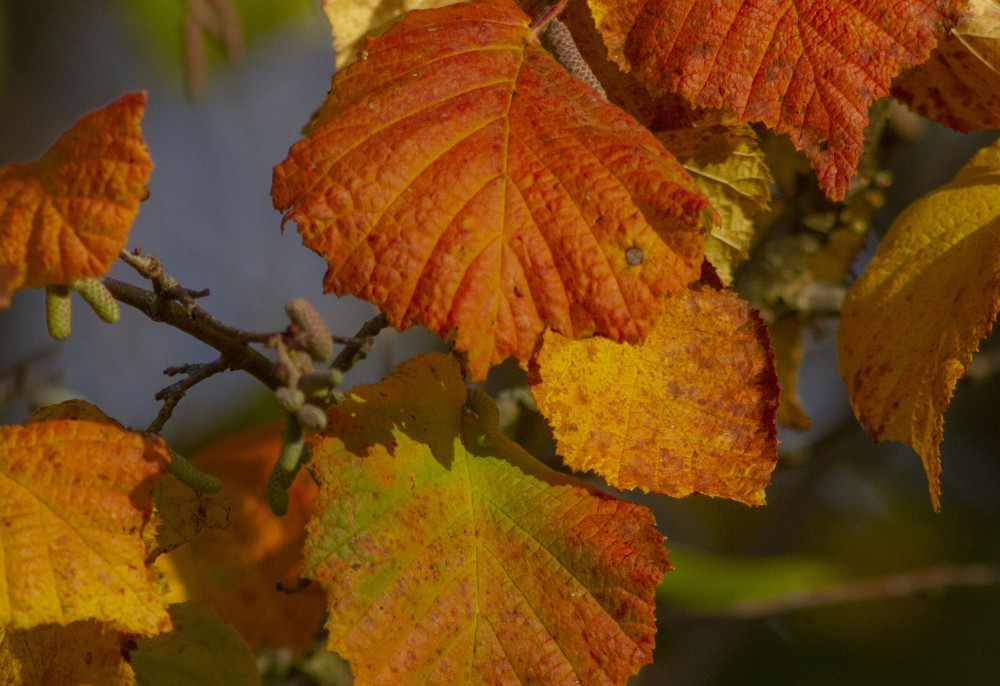
At the woodland, we're planting species such as hawthorn, dogwood and rose to diversify the scrub habitat, and trees like elder and hazel to develop the woodland understory. We also regularly clear bramble, dig out the invasive snowberry and remove balsam.
Heworth Holme
The grassland at Hewworth Home has been planted with wetland wildflowers like fleabane, purple loosestrife and gypsywort, and we've installed scrapes in the meadow area to create offline pools for invertebrates and frogs (we get frogspawn every year), and a bee bank as a habitat for mining bees.
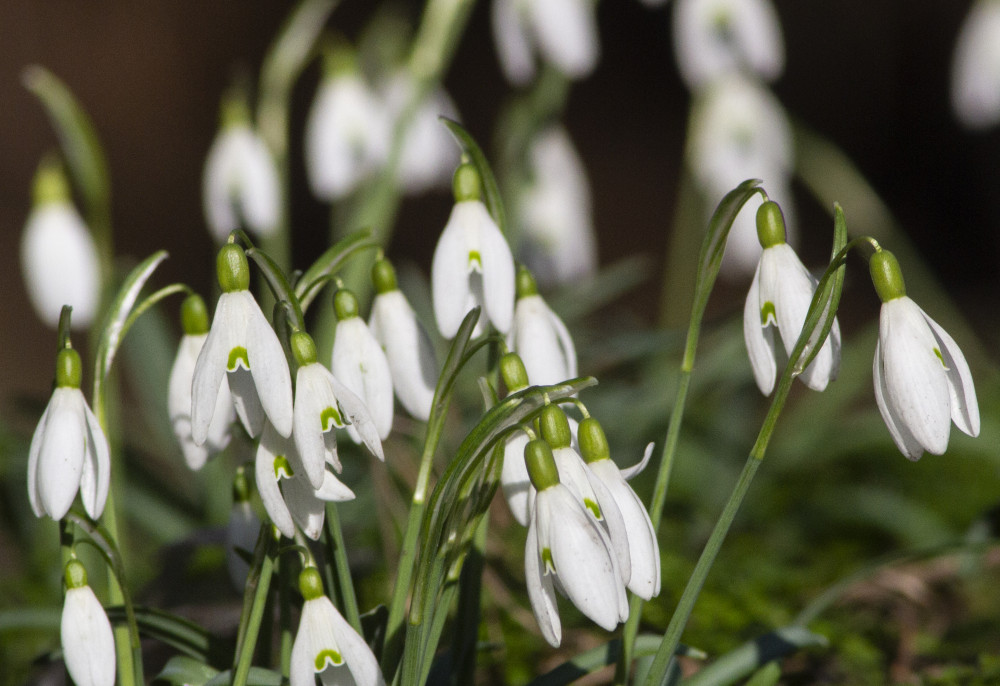
We've planted tree species including elder, bird cherry, downy birch and rose, and bulbs such as wild garlic and snow drops.
(Some areas along the banks are due to be reprofiled in 2026 as part of York Urban Beck Project - this will improve the bank structure as well as the plant diversity.)
Urban Green Corridors
Urban Green Corridors include North Street Gardens and the Floating Ecosystem.
Floating Ecosystem
The Floating Ecosystem sits on the River Ouse by North Street Gardens, in the heart of the City.
A home to dragonflies, orange tip butterflies and wagtails (to name just a few!) since October 2024, the ecosystem was created by Biometrix with the help of Aviva and Climate Action Funding. It is planted up with ragged robin, forget-me-nots, flag iris, purple loosestrife, marsh marigold, Mexican fleabane, greater pond sedge, greater tussock sedge and hard rush, and will encourage nesting birds once the plants are established.